

What Do We Know About The Memory Repair Protocol?
Call our 24 hours, seven days a week helpline at 800.272.3900
Treatments and Research
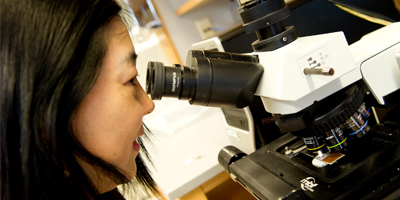 The more than you know almost Alzheimer's medications, the better prepared you will exist to discuss them with your physician and make informed choices about your treatment plan. Although current medications cannot cure Alzheimer'southward, some drugs may aid lessen symptoms, such as memory loss and confusion, for a limited fourth dimension. Other medicines change illness progression, with benefits to cognition and role.
- FDA-approved drugs for Alzheimer's
- Alternative treatments and supplements
- Research into future treatments
- Participate in clinical trials
FDA-approved drugs for Alzheimer's
The U.Southward. Food and Drug Assistants (FDA) has approved medications that fall into 2 categories: drugs that may change illness progression in people living with Alzheimer's, and drugs that may temporarily mitigate some symptoms of the affliction.
Treatments may be available in unlike forms (pill, patch or other). When because any handling, it is important to have a chat with a health care professional to determine whether it is appropriate. A medico who is experienced in using these types of medications should monitor people who are taking them and ensure that the recommended guidelines are strictly observed.
Drugs that may alter disease progression
An anti-amyloid antibody drug chosen aducanumab (Aduhelm™) is the showtime therapy to demonstrate that removing amyloid, one of the hallmarks of Alzheimer's disease, from the brain is reasonably likely to reduce cognitive and functional reject in people living with early on Alzheimer's. The drug targets beta-amyloid, a microscopic poly peptide fragment that accumulates in the brain and forms into plaques. These plaques disrupt advice between nerve cells in the brain and may likewise actuate immune arrangement cells that trigger inflammation and devour disabled nervus cells. While scientists aren't certain what causes cell death and tissue loss during the course of Alzheimer'due south, amyloid plaques are one of the potential contributors, and preventing beta-amyloid buildup may provide benefit.
Aducanumab is indicated for the treatment of Alzheimer's disease. The drug was studied in people living with early on Alzheimer's disease — which includes people with mild cognitive damage (MCI) or balmy dementia due to Alzheimer's disease who also have evidence of a buildup of amyloid plaques in the brain. Treatment with aducanumab may be appropriate for people in the disease stage studied in the clinical trials. There are no rubber or effectiveness information on initiating treatment at earlier or afterward stages of the disease than were studied.
Learn more: Medications for Memory
| Proper name (Generic/Make) | Indicated For | Side Effects |
|---|---|---|
| Aducanumab Aduhelm™ | Alzheimer'south illness (MCI or mild dementia) | ARIA, headache and fall |
Drugs that treat symptoms
Cerebral (memory and thinking) symptoms
These medications are prescribed to treat symptoms related to memory and thinking. While these drugs cannot stop the damage Alzheimer's causes to brain cells, they may assist lessen or stabilize symptoms for a limited time by affecting sure chemicals involved in carrying letters between the brain's nerve cells.
The drugs currently approved to treat cognitive symptoms are cholinesterase inhibitors and glutamate regulators.
Learn more: Medications for Memory
| Name (Generic/Make) | Indicated For | Side Furnishings |
|---|---|---|
| Donepezil Aricept® | Mild to severe dementia due to Alzheimer's | Nausea, vomiting, loss of appetite, muscle cramps and increased frequency of bowel movements. |
| Galantamine Razadyne® | Mild to moderate dementia due to Alzheimer's | Nausea, airsickness, loss of appetite and increased frequency of bowel movements. |
| Rivastigmine Exelon® | Balmy to moderate dementia due to Alzheimer's or Parkinson'due south | Nausea, airsickness, loss of ambition and increased frequency of bowel movements. |
| Memantine Namenda® | Moderate to severe dementia due to Alzheimer's | Headache, constipation, confusion and dizziness. |
| Memantine + Donepezil Namzaric® | Moderate to severe dementia due to Alzheimer'due south | Nausea, vomiting, loss of ambition, increased frequency of bowel movements, headache, constipation, confusion and dizziness. |
Not-cognitive (behavioral and psychological) symptoms
Alzheimer'due south affects more than only memory and thinking. A person's quality of life may be impacted by a diverseness of behavioral and psychological symptoms that accompany dementia, such as sleep changes.
Sleep changes may include difficulty sleeping, taking daytime naps and/or experiencing other shifts in sleep blueprint. Learn more almost sleep changes and available drug and non-drug treatments to address symptoms.
Suvorexant (Belsomra®), approved for treatment of insomnia, has been shown to be constructive for that purpose in people living with Alzheimer'southward (mild to moderate). Information technology works by blocking the activity of a chemical messenger involved in the sleep-wake cycle. It is important to attempt non-drug strategies to manage non-cognitive symptoms — similar sleep changes — earlier adding medications.
Acquire more than: Medications for Memory
| Proper noun (Generic/Brand) | Indicated For | Side Effects |
|---|---|---|
| Suvorexant Belsomra® | Insomnia, has been shown to exist constructive in people living with mild to moderate Alzheimer'due south disease | Impaired alertness and motor coordination, worsening of depression or suicidal thinking, complex slumber behaviors, sleep paralysis, compromised respiratory role. |
Tips from people living with Alzheimer's: Medication condom
- Go along a agenda and check off each dose every bit it's taken.
- Set upwardly a pill box each nighttime for use the next mean solar day.
- Set the warning on your cell phone or schedule dosing around meal times.
- Run into More Tips
Before beginning a new medication, make sure your physician, pharmacist and care team are enlightened of whatsoever of all medications, alternative remedies, products and dietary supplements currently being taken (including over-the-counter and culling preparations). This is of import to ensure that medications volition not interact with i some other, causing side effects. Be certain to talk over all medications you take with your doctor to understand why they were prescribed and how to accept them.
Larn more: Questions for Your Doctor
Alternative treatments and supplements
Research suggests that lifestyle habits, such every bit eating a healthy diet, may reduce a person'southward hazard for cognitive decline and dementia. Notwithstanding, there isn't a single food, ingredient or supplement that has been shown to prevent, care for or cure Alzheimer's or other dementias.
At that place are remedies, supplements and "medical foods" that are often referred to as alternative treatments. Alternative treatments are non regulated and do not need to attach to the same standards as FDA-approved treatments. Claims virtually their safety and effectiveness are based largely on testimonials, tradition or a minor body of scientific research.
If you are considering taking an alternative treatment or dietary supplement, it's of import to talk to your md. He or she can provide you lot with the all-time possible advice for your state of affairs and make you enlightened of any risks. Even if advertised as "natural," alternative treatments can involve potentially powerful substances that take not met FDA standards for effectiveness or condom, and some alternative medicines can cause unintended reactions when taken with prescription medications.
Learn more: Alternative Therapies
Here is a list of questions to enquire when considering an alternative treatment or supplement:
Has the FDA approved this production for the handling of Alzheimer's or dementia symptoms?
The FDA may take reviewed the data on a product, but constitute it to be ineffective for the intended purpose. In this instance, the company may however release the production every bit a medical food, either with or without changes. In the United States, a production tin can merely exist considered a medical nutrient if it is designed to treat a condition that has a "distinctive nutritional requirement." Co-ordinate to the FDA, Alzheimer's, equally currently understood, does not have distinctive nutritional requirements, and therefore, in the United States, no product can legitimately be described every bit a medical food for Alzheimer's.
Is there independent research to back up the rubber and effectiveness of this product for treating Alzheimer'south or other dementia?
If the testing entity has a vested interest in the outcome (e.k., testing done past the company developing the product), the results may not exist reliable.
To best serve individuals living with Alzheimer's and their families, the Alzheimer's Association strongly encourages makers of products that claim to exist beneficial for those with Alzheimer's or other dementia to conduct definitive clinical trials.
Does the developer of the product or the person recommending information technology to you have a potential financial gain from the use of the medication?
If so, apply extreme caution. Bank check with your intendance squad to see if they have whatsoever questions or concerns with your program to use it.
Does the FDA oversee how dietary supplements are manufactured?
No. It is up to each manufacturer and distributer of dietary supplements to meet all safety and labeling requirements of the Dietary Supplement Health and Education Deed of 1994 (DSHEA) and the FDA. Most in the industry act responsibly, but some adulterated or misbranded products have made information technology to market. Therefore, people with Alzheimer'due south and their families have no absolute guarantee that supplements contain the ingredients listed on the characterization in the specified amounts.
Is the product compatible with the other medications you are taking or with your diagnoses?
Be sure to bank check with your md or chemist to detect out whether the product could cause negative outcomes given your diagnoses and whatever FDA-approved medications you are taking.
The lack of rigorous research for these products ways little (or zilch) is known nigh the furnishings, both when taken alone or in combination with approved drugs. Nosotros oft don't know whether the products will collaborate with, and possibly decrease, the effectiveness of approved drugs taken for Alzheimer'south and other dementia.
Research into futurity treatments
Researchers are conducting studies to discover new interventions and treatments for Alzheimer's. Because the disease is complex and non fully understood — with a multitude of factors that may contribute to risk — today's inquiry focuses on several areas of report.
Many drugs and medical devices in development aim to interrupt the disease process by impacting one or more than of the brain changes associated with Alzheimer'southward. These changes offer potential "targets" for new drugs or devices to slow or stop the progress of the affliction. These promising targets include the buildup of beta-amyloid and tau poly peptide (hallmarks of Alzheimer's), neuroinflammation, immune response, metabolic changes and more.
Researchers believe that future treatments will involve a combination of medications or devices aimed at several targets, along with risk reduction strategies like to current treatments for many cancers and AIDS.
As the leading nonprofit funder of Alzheimer's research, the Alzheimer's Association has played a vital role in every significant evolution in dementia science.
Acquire more than: Research and Progress, Office the Deject
Participate in clinical trials
Recruiting and retaining clinical trial participants is now the greatest obstacle, other than funding, to developing the next generation of Alzheimer'south treatments. Individuals with dementia, caregivers and salubrious volunteers are all needed to participate in clinical studies focused on Alzheimer's and all other dementia.
If you are interested in participating in a current clinical study, Alzheimer's Association TrialMatch® is a gratuitous, like shooting fish in a barrel-to-use clinical studies matching service that generates customized lists of studies based on user-provided data.
The TrialMatch database includes:
- Trials for new drugs or non-drug-based dementia treatments.
- Studies on new tests or procedures for diagnosis.
- Trials that investigate ways to preclude the onset of diseases.
- Studies exploring ways to amend quality of life for individuals living with a chronic disease, their caregivers and family members.
- Online studies.
Learn more than: Clinicial Trials and Alzheimer's Association TrialMatch®
Assist Advance Research
At the heart of all medical advances are clinical trials. You lot tin participate in clinical research, helping to notice new treatments, and, ultimately, a cure.
Adjacent: Programme for Your Time to come


What Do We Know About The Memory Repair Protocol?,
Source: https://www.alz.org/help-support/i-have-alz/treatments-research
Posted by: wetherbeewitteper1989.blogspot.com
0 Response to "What Do We Know About The Memory Repair Protocol?"
Post a Comment